
Yesterday, I had a new article published in Critical Studies in Media Communication called “‘You can actually feel the machines processing: podcasting and the infrastructural politics of Google data centers.” This article was a collaboration with my graduate student Kamila Eshalieva, who just graduated from our program and is starting another Masters degree at Arizona State University this fall.
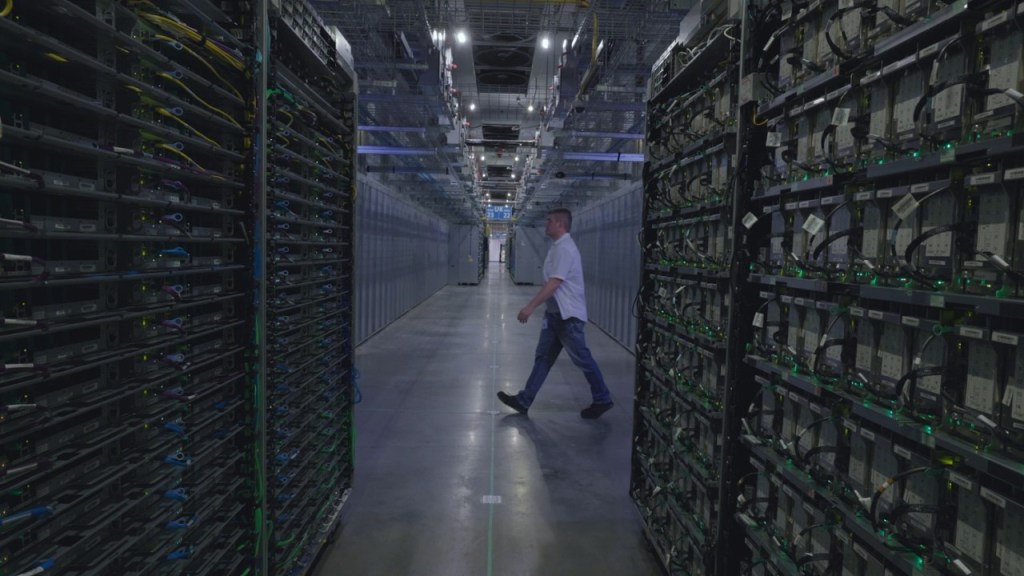
For this article, Kamila and I performed an analysis of the first five seasons of Google’s podcast Where the Internet Lives, which is ostensibly meant to educate listeners about what data centers are and how they work, told through case studies of specific centers and testimonials from a variety of different workers. However, we used Hallinan and I’s infrastructural politics framework, which emphasizes how the formalization of infrastructures takes place alongside the construction of imaginaries around infrastructures. This podcast, in other words, builds important imaginaries that can shape the boundaries of how people might understand not just the technical operations of data centers but also their economic and social functions
However, imaginaries are also ideological and reflect the belief systems of those generating the imaginaries, so for this article we asked: How does Google’s Where the Internet Lives podcast reproduce the company’s ideologies and contribute to the infrastructural politics of data centers?
While you’ll need to access the full article to see all our results, we did find multiple themes throughout the podcast, including educative (trying to teach listeners about the data centers), sensory (trying to convey how it feels to be in a data center), ecological (how data centers interact with the environment around them), and promotional (where episodes showcase different partnerships related to data centers).
As we argue in the conclusion: “Where the Internet Lives presents itself as science communication, but its ongoing de-emphasis of communication about science and technology replaces educational concerns with a persistent ideological drum that attempts to use education as a means to shape imaginaries around media infrastructures.”
Please do give the full study a read and I hope it offers a contribution to our growing understanding of how imaginaries are built and reinforced around media infrastructures.


